


Lithium power systems built for New Zealand conditions
LiFePO4 batteries, Victron inverters and pre-wired Energy Hub cabinets for off grid homes, tiny homes, caravans and boats. Stocked in Nelson, shipped nationwide, backed by people you can actually get on the phone.
Up to 10 years warranty *
* Varies by product. See warranty terms
NZ stock, NZ support
Based in Nelson, free freight on all Victron products
Asia Pacific SOK distributor
Recognised world wide, SOK batteries have a reputation for their batteries and support.
“All my electrician had to do was connect the cabinet to my switchboard and everything was up and running.”
What are you powering?
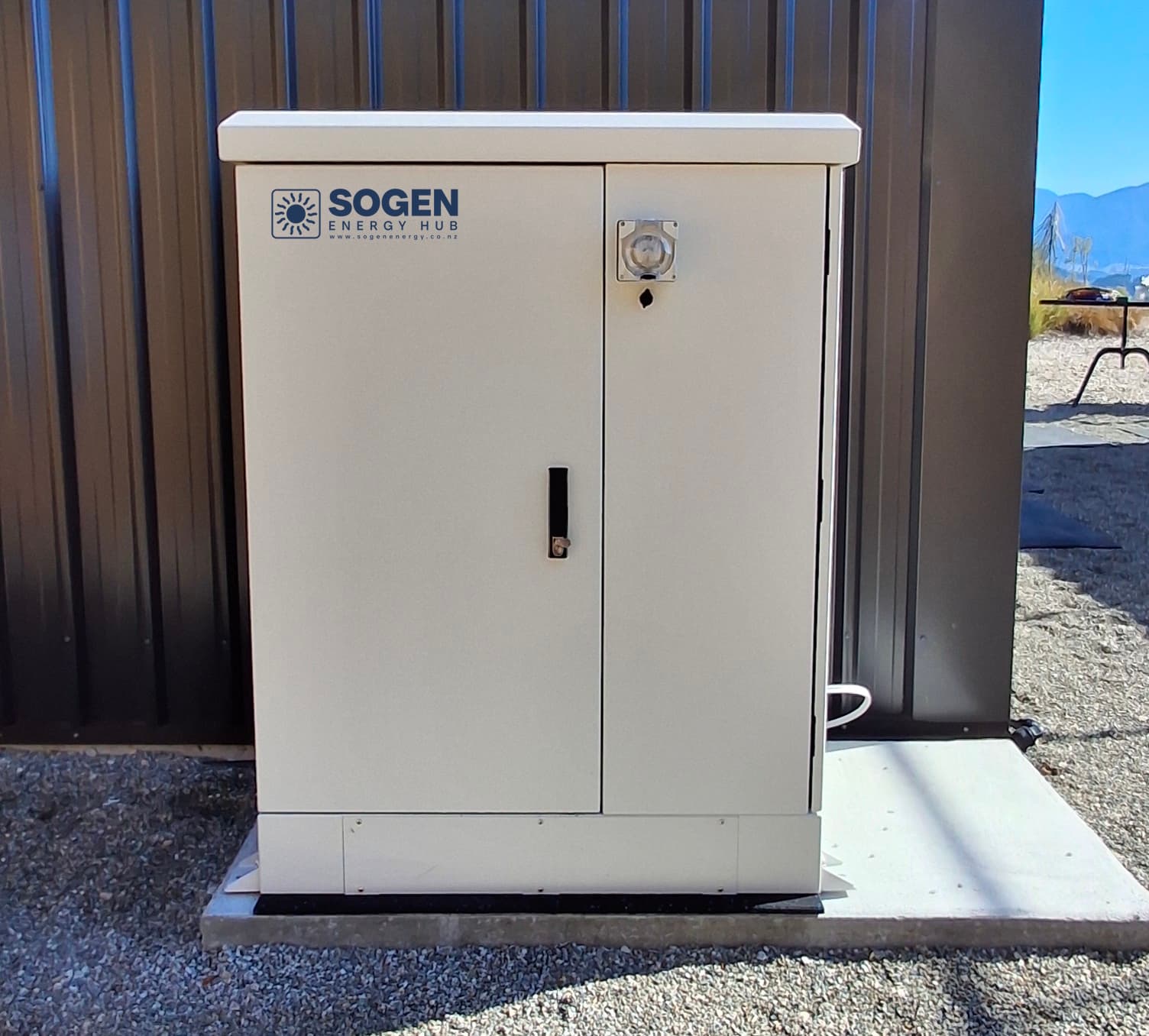 Energy Hub MidiOn or off-grid house48V storage, 5kVA and up, complete cabinet systems
 Energy Hub MiniTiny home or cabinPlug and play power in one weatherproof box
 Caravan, Motorhome or Tiny home12V and 24V drop in lithium with Bluetooth monitoring
 Available nowBoat or launchMarine lithium certified to AS/NZS 3004.2
 On-Grid or Off-Grid Backup48V rack batteries for when the power goes out
Shop lithium batteries by voltage
If you are powering a building, go 48V. If you are powering a vehicle or a boat, go 12V or 24V. Not sure which, have a read of the sizing guide below or give us a ring and we will work it out with you.
- 12V batteries
- 24V batteries
- 48V rack batteries
- Marine battery
- Van and caravan batteries
- Off grid batteries
- Inverters and chargers
- Solar panels
- Fuses and circuit protection
- Cable and lugs
- Victron gear
Popular batteries


Energy Hub cabinets: a whole power system in one box
Most off grid projects stall in the same place. You buy a battery from one supplier, an inverter from another and a controller from a third, then pay a sparky to spend a day and a half making them talk to each other. An Energy Hub skips all of that.
Every cabinet arrives pre-wired, pre-configured and bench tested. They are built to live outside, so they do not eat a cupboard. No programming, no commissioning. Site it, connect your solar, turn it on. Your electrician connects it to the building and signs it off, and that is the job done.
The Mini is for cabins, sleepouts, tiny homes and small households. Two standard models, firm pricing, add to cart and go.
The Midi is the bigger brother, for full time off grid houses, lifestyle blocks and light commercial sites. More inverter, more storage, and configured around what your site actually needs rather than off a shelf.
Either way you can add solar or battery capacity later without replacing the cabinet. Building from parts instead? See our solar batteries.
Energy Hub Mini
10 kWh and a 5 kVA hybrid inverter for cabins, sleepouts, tiny homes and small households.
Starting from $12,500 inc GST
Midi builds from $19,950 inc GST for full time off grid houses. See the Midi
How to size an off grid system
This is the question we get more than any other. Here is the short version. There is a longer walkthrough with worked examples in the help centre.
- 1
Add up what you use in a day
Work in kilowatt hours. A typical rural New Zealand household lands between 8 and 20 kWh a day. A tiny home or a bach used at weekends is usually 2 to 5 kWh. If you are already on the grid, your power bill tells you exactly, just divide the monthly units by 30.
- 2
Decide how long you want to ride out bad weather
One and a half days of usable storage is the sweet spot for most New Zealand sites. Less than that and a wet week gets uncomfortable. More than that and you are paying for capacity that sits idle most of the year. A generator or a grid connection changes this maths a lot.
- 3
Pick your system voltage
48V for anything powering a building. Higher voltage means lower current, which means thinner cable, smaller fuses and less heat. 12V or 24V for vehicles, boats and small standalone setups where the loads are modest and the cable runs are short.
- 4
Size the inverter to your biggest moment, not your average
Your average draw might be 600W, but if the jug, the oven and the water pump all fire at once you need headroom. 3kVA handles a small dwelling comfortably. 5kVA is where most full time households land. A workshop, a spa or electric hot water needs a proper conversation first.
- 5
Size the solar array to refill the battery on an average day
As a rough New Zealand rule, one kilowatt of panels returns about 3.5 to 4 kWh a day across the year, less in a Southland winter, more in a Nelson summer. Oversize the array rather than the battery. Panels are the cheapest part of the system and they are what get you through June.
Why buy from us instead of a container off the internet
Anyone can import a pallet of cells and put a sticker on them. What matters three years in, when something plays up, is whether there's a person in New Zealand who picks up the phone.
We're SOK's distributor for the Asia Pacific region. SOK design their own battery management systems and control their own manufacturing from start to finish, so the cells, the BMS and the build quality all come from one maker who stands behind them. Our Midi builds standardise on the Victron ecosystem, MultiPlus-II and SmartSolar with Cerbo GX and VRM monitoring, because it's open, it's well supported here, and it keeps working long after the fashionable all in one boxes stop getting firmware updates.
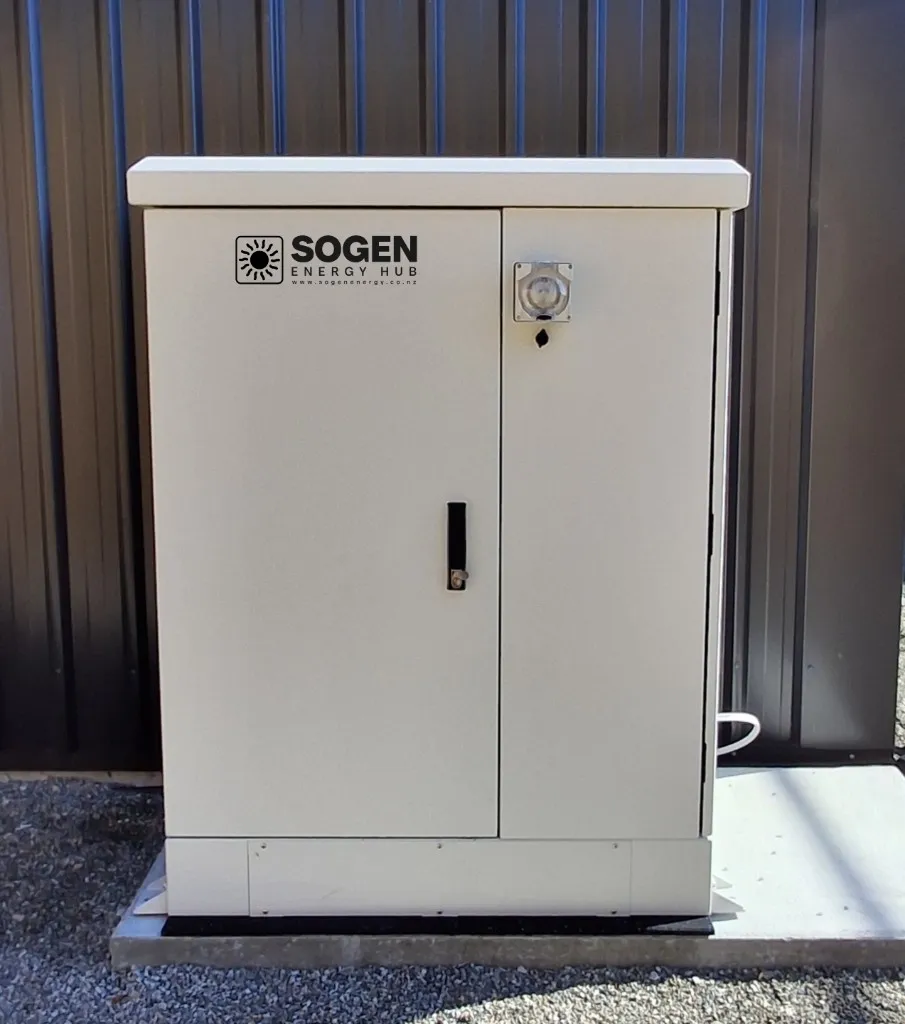
Sky Station: a Midi running a house off grid
Jon at Sky Station runs an Energy Hub Midi with 25kWh of storage and a 5kVA inverter, completely off grid. No mains connection, no generator babysitting, just a cabinet on the wall doing its job through a New Zealand winter.
That is the useful benchmark when people ask what a real off grid system looks like. Not a spec sheet, an actual house that runs on one.
If you are planning something similar, tell us your daily kilowatt hours and your site, and we will work back from there.
Certified for New Zealand rules, not just a spec sheet
Our 24V batteries are certified to AS/NZS 3004.2, which is what actually matters if the battery is going into a boat or a caravan here. Plenty of imported lithium is sold into those jobs without it. They carry the same 7 year warranty as the rest of the battery range, no special marine exclusions.
Tell us what you are trying to power and we will come back with a system that suits, not the biggest thing we can sell you.
Brendon, Sogen Energy, Nelson
Buying for the trade
Electricians, solar installers, marine outfitters and caravan builders buy from us on trade pricing, with stock held in New Zealand and warranty handled locally instead of through an overseas email address.
If you fit systems for a living, an account gets you pricing, technical support and first call on new stock.
Bought from us?
Be one of the first to review Sogen Energy on Google. It only takes a minute and it helps other Kiwis work out who to trust with their power system.
Common questions
Most rural New Zealand households use between 8 and 20 kWh a day. A common starting point for a full time off grid home is 10 to 15 kWh of usable LiFePO4 storage on a 48V system, paired with a 5kVA inverter and 4 to 6 kW of solar. A holiday bach or tiny home used part time will usually run happily on 5 kWh. Work out your daily kWh first, then size the battery to cover roughly one and a half days of that.
Lithium iron phosphate is the safest lithium chemistry in common use. It contains no cobalt, it is far more thermally stable than the NMC chemistry used in phones and EVs, and it will not sustain thermal runaway the way NMC can. It still needs correct circuit protection, and for any fixed install the mains side must be wired and certified by a registered electrician.
The cabinet arrives pre-wired, pre-configured and tested, so there is no programming or commissioning on site. A registered electrician still connects it to the building wiring and issues the certificate, which is a legal requirement here for fixed mains voltage work. The expensive part, getting the inverter and battery talking properly, is already done before it leaves us.
12V suits mobile and small systems: caravans, boats, tiny homes and anything running 12V appliances directly. 48V suits whole buildings and anything above roughly 3kW of load, because higher voltage means lower current, thinner cable and less heat. If you are powering a building, go 48V. If you are powering a vehicle or a boat, go 12V or 24V.
A quality LiFePO4 cell is rated for several thousand cycles at 80 percent depth of discharge. In an off grid home that cycles once a day, that is comfortably over ten years of service. Our 48V rack batteries carry a 10 year warranty and all other batteries 7 years. Full detail is on the warranty page.
Yes. Stock is held in Nelson and ships NZ wide. Freight is free to any town with a Mainfreight depot, and quoted separately for rural and remote addresses. Get in touch if you are unsure whether your address is covered.
Yes, and it is worth planning for. Energy Hub cabinets take additional battery capacity and additional solar without replacing the cabinet. This is the main reason we favour the Victron platform. It scales rather than boxing you in.
We do. Electricians, solar installers, marine outfitters and caravan builders buy from us on trade pricing with NZ stock and local warranty support. Apply through the reseller link in the footer and we will sort you out.
Tell us what you are trying to power
Send through your daily power use, your site and what you are building. We will come back with a system that suits.